2026-10-03 ·
Upgrading to a Submersible Sump Pump in Detroit Basements
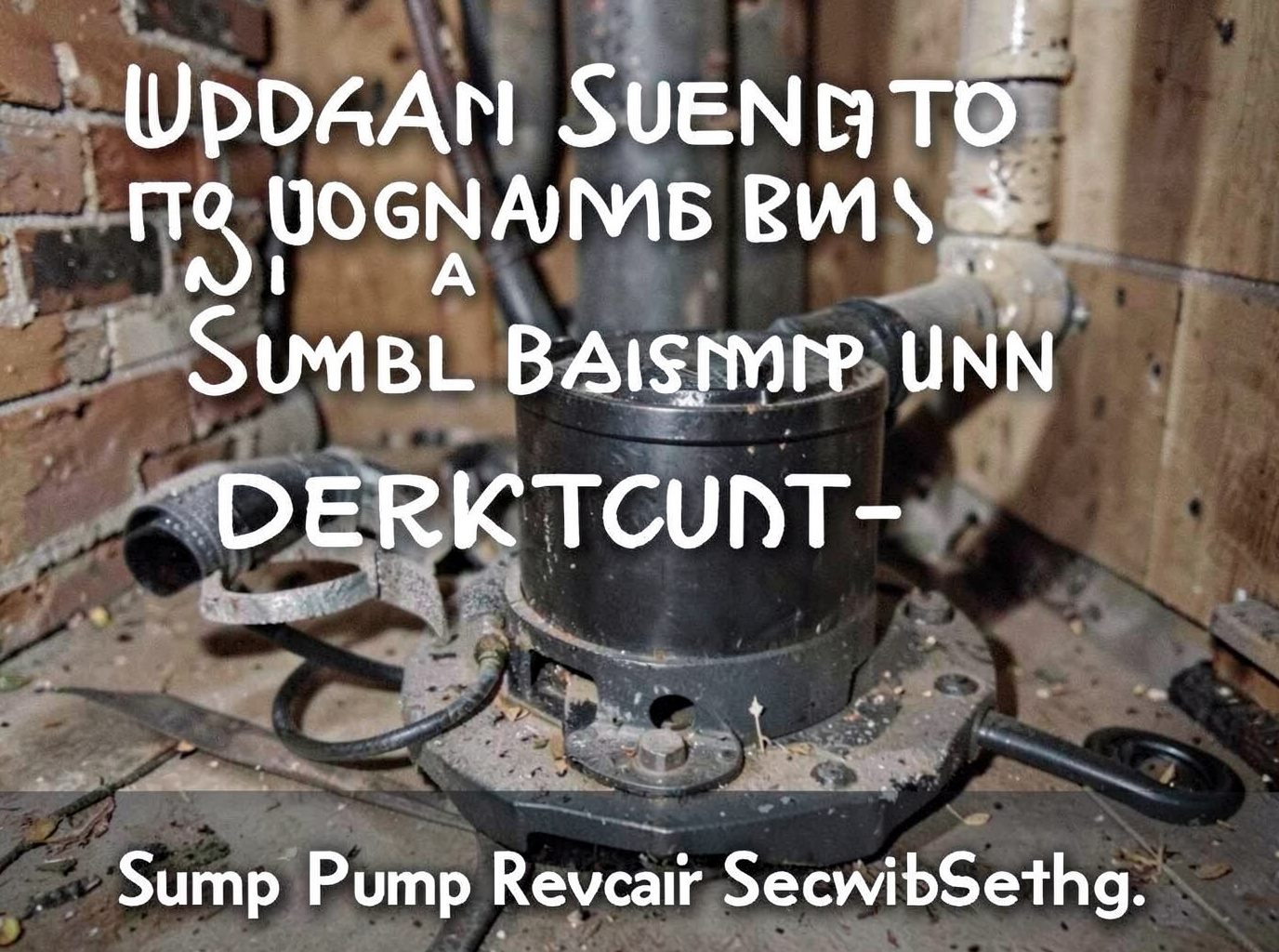
Upgrading to a submersible sump pump in Detroit basements typically requires 4–8 hours on site and delivers quieter operation plus better protection against the heavy spring thaws common after Wayne County winters. Many homes in Midtown and Corktown still rely on older pedestal units that sit above the water line and fail when float switches freeze or debris builds up during snow melt. A submersible model sits fully in the pit, stays cooler, and moves water more consistently when rain or runoff surges reach the basin. Homeowners in Eastern Market and Indian Village often notice the difference during the first heavy downpour after installation because the motor stays submerged and avoids the air-cooled burnout common with pedestal styles. The switch to submersible also reduces vibration noise that travels through older plaster-and-lath walls in Boston-Edison and Woodbridge properties.
Why Submersible Units Perform Better in Detroit's Climate
Detroit experiences four distinct seasons with cold snowy winters that produce repeated freeze-thaw cycles and warm summers that bring sudden thunderstorms. These patterns send large volumes of water into basements built on clay-heavy soils that drain slowly. Submersible pumps stay below the water surface so the motor never overheats during extended runs after a March snow melt or a July cloudburst. In neighborhoods such as Palmer Park and Mexicantown, where many homes sit on lots with slight slopes toward the foundation, the sealed design also keeps debris from jamming the impeller as often as it does on exposed pedestal shafts. The result is fewer service calls during the peak April and October runoff periods that affect homes across Wayne County and nearby Dearborn.
Challenges in Older Detroit Housing Stock
Homes in Corktown, Woodbridge, and Indian Village frequently date to the early 1900s and feature stone or early concrete foundations with narrow, shallow sump pits. These original pits often measure only 18 inches across and lack proper gravel beds, allowing fine silt to reach the pump intake. Submersible models fit these tight spaces without the tall vertical pipe required by pedestal units, but installers must enlarge the pit slightly and add a new basin with a sealed lid to prevent radon and moisture issues. In Boston-Edison and Midtown, cast-iron waste lines from the same era can leak near the foundation, increasing the water load the pump must handle. Upgrading the pump alone does not fix those lines, which is why many technicians pair the change with a camera inspection to locate cracks before the new unit goes in.
Installation Steps for a Reliable Upgrade
The process begins with shutting off power and pumping the pit dry so the old unit can be removed without spilling water across the basement floor. Next the pit is cleaned and, when needed, enlarged to at least 24 inches in diameter to give the submersible motor full clearance. A new check valve is installed on the discharge pipe to stop water from flowing back into the basin after each cycle. In areas near Eastern Market where older homes sit close to the street, the discharge line is routed to a storm sewer connection or a pop-up emitter at least 10 feet from the foundation. Finally the pump is lowered into the basin, the float switch is set 4–6 inches above the impeller, and the unit is tested through several cycles to confirm it shuts off cleanly. The entire job usually finishes the same day when scheduled between 8am and 6pm on weekdays.
Ongoing Care After the Switch
Once the submersible pump is running, quarterly checks keep it reliable through Detroit winters. Homeowners should verify the discharge pipe remains clear of ice in January and February and test the unit manually before the spring thaw. In Hamtramck and Dearborn homes with finished basements, adding a water alarm provides early notice if the water level rises unexpectedly. Annual cleaning of the pit removes the fine sediment that collects from clay soils common throughout Wayne County. These simple steps extend service life to the typical 8–12 years expected from quality submersible motors in this climate. Submersible Sump Pump Installation outlines the exact components used on local jobs, while Maintaining Check Valves on Sump Pumps in Detroit Basements explains how to inspect the valve that protects the new pump from backflow.