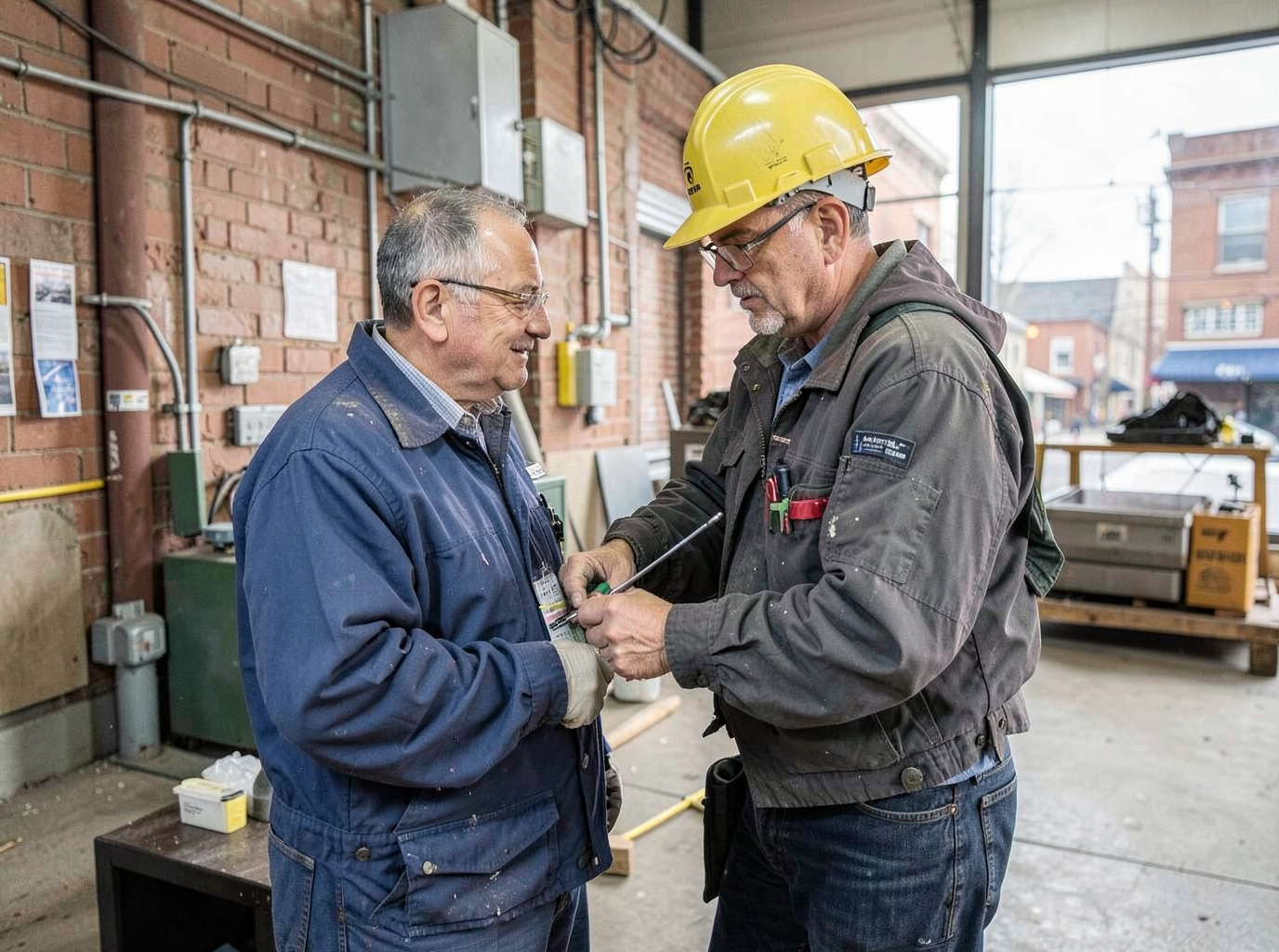
An annual plumbing inspection in Detroit is more than a quick look under the sink — it’s a seasonal preparedness check that reflects our city’s four distinct seasons and varied housing stock. We inspect sump pump basins, float switches, check valves, and discharge routing in homes across Midtown, Corktown, Eastern Market, Indian Village, Mexicantown, Palmer Park, Boston-Edison, and Woodbridge. Older brick and frame houses common near the Detroit Institute of Arts and Boston-Edison often have original basins or tight crawl spaces that hide corroded fittings; newer infill near Eastern Market or renovated lofts can have finished basements where floor drains tie into private sump systems. We assess how winter freeze-thaw cycles, spring thaws, and heavy summer storms affect basement entry points and pump performance.
Because Wayne County includes low-lying areas next to the Detroit River and island-adjacent properties by Belle Isle Park, we pay close attention to discharge routing and backflow protection. Homes near Comerica Park, Ford Field, and Campus Martius Park are often on municipal storm lines with variable capacity during heavy events, so we check that sump discharge is directed where city code allows and that check valves are sealed to prevent backflow. For basements that show staining or recurring damp spots, we recommend a sewer line camera inspection to trace where ground or sewer water is entering; a visual inspection of the main sewer and lateral is often the difference between a temporary dry-out and a lasting fix.
Materials and code notes you should expect from a thorough annual inspection: we verify pump amperage draw at startup (to flag worn motors), inspect float switch travel and interference, examine basin integrity (cracks, roots, or sediment), test battery backup readiness if present, and evaluate discharge pipe size and termination point. Because many Detroit properties were built before modern sump standards, we also look for improper gravity diyers' work — unlined basins, garden hoses used as discharge lines, or drains piped into old cisterns — and document recommended corrections. If a sewer camera inspection is needed, we check access points, root intrusion, sagging lateral, or material transitions that can trap debris; we then provide images and a concise repair recommendation.
Edge cases and warnings: in Hamtramck-bordering properties and older units in Mexicantown, we have repeatedly found basins undersized for heavy spring melt or pump models underspecified for long vertical lifts, which shortens life and risks motor burn. Finished basements with stone or original tile floors in Indian Village and Palmer Park require careful access planning to avoid cosmetic damage during testing. Also, winter inspections require thawed discharge lines — if pipes are frozen or buried above grade without insulation, results may be misleading until spring. Our shop operates Mon–Fri 8am–6pm and Sat 9am–2pm and is based at Detroit; schedule inspections before the heavy thaw or ahead of predicted rain events for best preventative value.
Technician insight
In Detroit, the thing that catches most homeowners out with an annual plumbing inspection is thinking the original basin or older pump is ‘fine’ until the first big spring thaw. Many Boston-Edison and Midtown basements have vintage basins or tight access that hide clogged discharge pipes and corroded check valves. A quick amperage check and float travel test will often reveal a failing pump before it leaves a basement under water.
Midtown rowhouse with recurring spring seepage
Problem → A Midtown rowhouse near the Detroit Institute of Arts reported recurring seepage each spring. What we found → the original shallow basin had accumulated gravel and a garden- hose-style discharge with a stuck float and a leaking check valve. What we did → we cleared and resealed the basin, replaced the check valve and float assembly, re-routed the discharge to a proper termination point, and recommended a follow-up sewer camera run when flow conditions were higher. Outcome → homeowner reported dry basement through the next spring melt.
Annual Plumbing Inspection Services We Offer
✓Sump Pump Function Test
Full operational test that simulates inflow, measures startup amperage and run-time, and confirms the pump clears water efficiently without cycling excessively.
✓Backup Power & Battery Check
Inspection and load test of battery backup or generator tie-in to ensure the sump can run through extended power outages common during Michigan storms.
✓Basin Cleaning & Seal Inspection
Removal of sediment and debris from the sump basin, plus inspection of lid seals and basin walls to prevent root intrusion and odour or gas pathways.
✓Float Switch Calibration & Replacement Assessment
Verify float travel, detect sticking or obstruction issues, and recommend replacement types or secondary float systems for redundant protection.
✓Discharge Line Evaluation
Confirm discharge piping, check valves, and termination points comply with local practice and aren’t causing ponding or municipal inflow into foundations.
✓Sewer Line Camera Inspection
A full camera scan of the home’s lateral and main sewer to pinpoint root intrusion, sags, or broken joints that can surcharge basements during heavy rains.
✓Finished-Basement Access & Protective Service
Non-invasive inspection protocol for finished basements in neighborhoods like Boston-Edison and Indian Village, with floor protection, careful testing, and documented findings.
How it works
- 1
Schedule and pre-inspection questionnaire
We confirm property location in Detroit or neighboring Dearborn/Hamtramck, ask about recent water events, and note basement finishes or previous sump work so we arrive prepared with the right tools and camera gear.
- 2
On-site diagnostic inspection
Technician runs controlled sump fill tests, measures electrical draw, checks float operation, inspects basin and discharge routing, and, if requested, performs a sewer camera run to the public lateral.
- 3
Findings review and recommendations
We walk through observed issues with photos or video, explain short-term fixes versus long-term repairs, and prioritize actions based on risk of basement flooding or code noncompliance.
- 4
Follow-up options and scheduling
If repairs, battery replacement, or a camera-clearing are needed, we provide an itemized plan and available scheduling windows within our Mon–Fri 8am–6pm and Sat 9am–2pm hours.
Pricing
We provide flat-fee annual inspections and add-on pricing for sewer camera work or battery testing; final cost depends on home size, basement accessibility, number of sump systems, and whether a camera inspection is required.