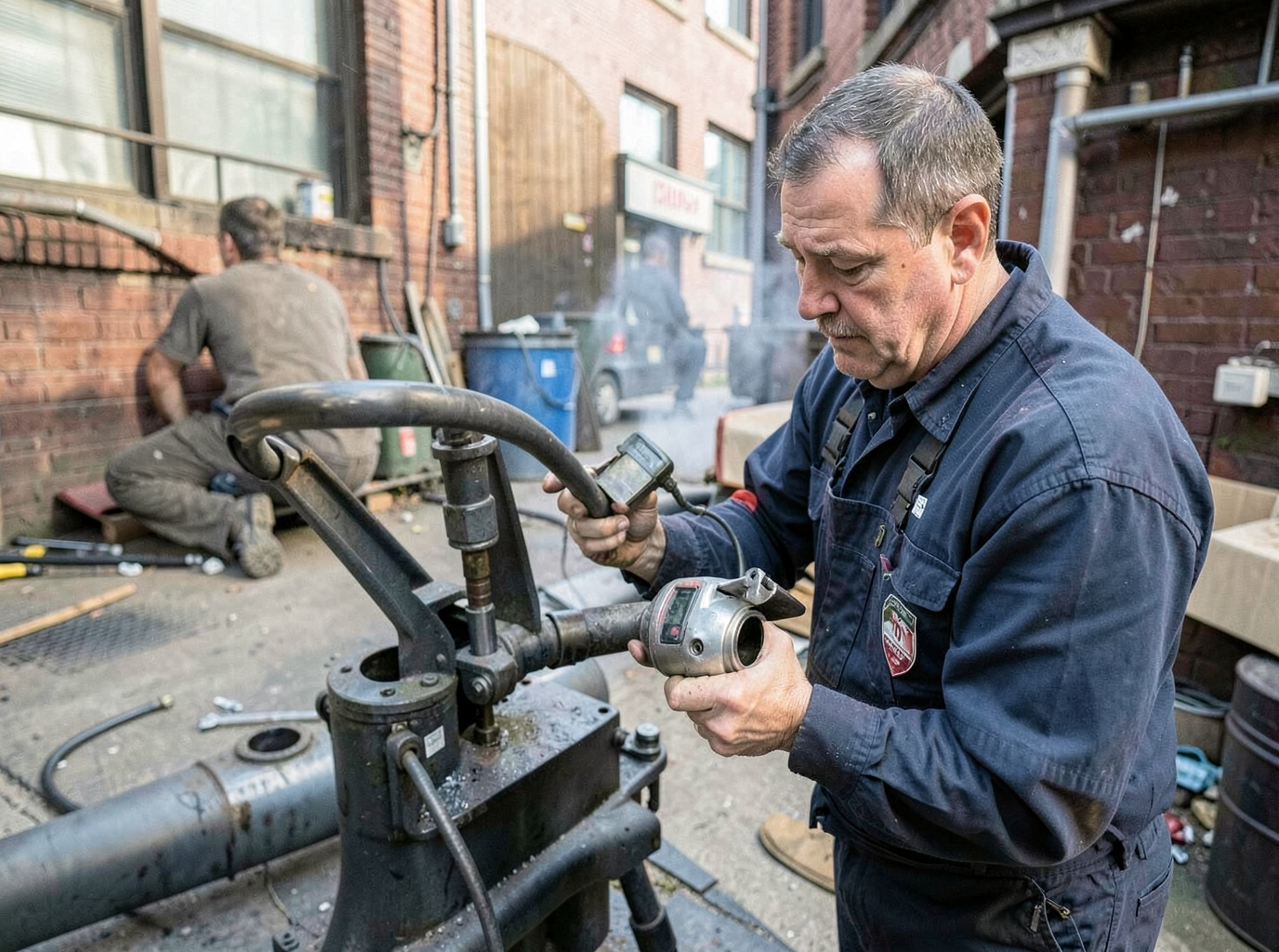
Anode rod replacement is a targeted repair that prevents water heater tanks from corroding from the inside out. In Detroit neighborhoods such as Midtown, Corktown, Indian Village and Boston-Edison we see a mix of older brick two-flats, vernacular bungalows and post-war homes where original or undersized anode rods are common. Hard water from local supply lines, seasonal shifts between freezing winters and warm summers, and legacy galvanized fittings all change how fast a sacrificial rod wears. We inspect the tank top, measure rod exposure, and recommend a replacement type—magnesium for soft water, aluminum/zinc for certain mineral mixes—so the tank metal remains protected longer.
Beyond material choice, the physical installation has several Detroit- specific considerations. Tight basements in Mexicantown and Woodbridge often mean removing insulation or working with cast-iron chimney chases above the heater; in Eastern Market and Palmer Park neighborhoods, older homes sometimes use recessed or horizontal tanks that require alternate access. Code notes we watch for include proper sealing of the tank opening, maintaining clearance if there’s a combustion appliance nearby, and avoiding anode-to-piping contact that can create a ground and accelerate corrosion. We always report if the tank has pitting or leaks that make replacement of the whole heater the safer option.
Edge cases we handle daily include hybrid heaters and tanks that have a plugged or custom anode port, models with inaccessible factory anodes, and tanks with existing inline corrosion control devices. In Wayne County houses near Belle Isle Park or by the riverfront, seasonal groundwater and spring thaws can change sump and drain behavior—sump pumps and sewer line camera inspections often go hand-in-hand with water heater work when basements show moisture. We operate Monday–Friday 8am–6pm and Saturday 9am–2pm from our Detroit base; when we change an anode rod we provide photos and notes so customers in Dearborn or Hamtramck know exactly what was done and why.
Technician insight
In Detroit the thing that catches most people out with anode rod replacement is access: many 1920s–1950s homes in Boston-Edison and Indian Village have cramped basements or recessed tanks that make a straightforward swap into a multi-hour job. Also, homeowners assume a fresh rod fixes slow leaks—often the tank is already pitted. I always check for nearby sewer or sump issues because wet basements after spring thaws accelerate anode consumption.
Stuck Anode in Corktown Bungalow
Problem → A homeowner in Corktown reported rusty water and a noisy heater. What we found → the original rod was calcified and seized in the port, with early pitting on the tank top. What we did → we opened an access slot, installed an external anode retrofit and sealed the opening, then photographed the condition and recommended a follow-up camera inspection of the sewer line. Outcome → the homeowner regained clear water, and the external anode will be easier to service without disturbing the cramped basement.
Anode Rod Replacement Services We Offer
✓Residential Anode Rod Replacement
Replace sacrificial rods on single-family and row houses in Detroit with a choice of compatible materials and clear guidance on which rod suits local water chemistry.
✓Commercial/Light-Commercial Anode Service
Service for small businesses, cafes near Campus Martius Park, and multi-unit buildings in Midtown needing multiple rods replaced and staggered maintenance schedules.
✓Magnesium Anode Installation
Install magnesium rods recommended for softer water conditions—common in parts of Wayne County where municipal treatment keeps mineral content lower.
✓Aluminum/Zinc Anode Installation
Install aluminum/zinc rods for water with higher mineral content or where magnesium causes rapid depletion; we match rod chemistry to local supply characteristics.
✓External (Retrofit) Anode Conversion
Add an external anode assembly when the factory port is corroded or inaccessible—useful in tight basements of Woodbridge and older Boston-Edison homes.
✓Anode Inspection with Sewer Line Camera
Combine rod inspection with a sewer line camera inspection to rule out contributing factors like sewer leakage or backflow that accelerate corrosion in basements.
✓Anode Maintenance for Multi-Unit Buildings
Planned anode checks and staged replacements for duplexes and apartment buildings in neighborhoods like Eastern Market to avoid sudden failures.
How it works
- 1
Initial Assessment
We inspect the water heater area and take note of access constraints, tank type and visible signs of corrosion. If the basement is tight—as it often is in Mexicantown or Indian Village—we identify the safest extraction path for the rod.
- 2
Water Chemistry and Material Selection
We evaluate likely water chemistry and recent wear on the existing rod to select magnesium or aluminum/zinc anodes, explaining tradeoffs for Detroit's seasonal supply conditions.
- 3
Removal And Replacement
Technicians drain minimal water as needed, carefully extract the old rod, clean the port, and install the new anode with proper sealing. For stuck or corroded ports we explain retrofit or external options.
- 4
Documentation And Recommendations
We photograph the work, note remaining rod life and tank condition, and advise on follow-up plumbing tasks such as inspecting nearby sump pumps or scheduling a sewer line camera inspection if basement moisture is present.
Pricing
Typical jobs vary by access and rod type; expect modest parts cost plus labor—tight basements or stuck ports increase time and cost.