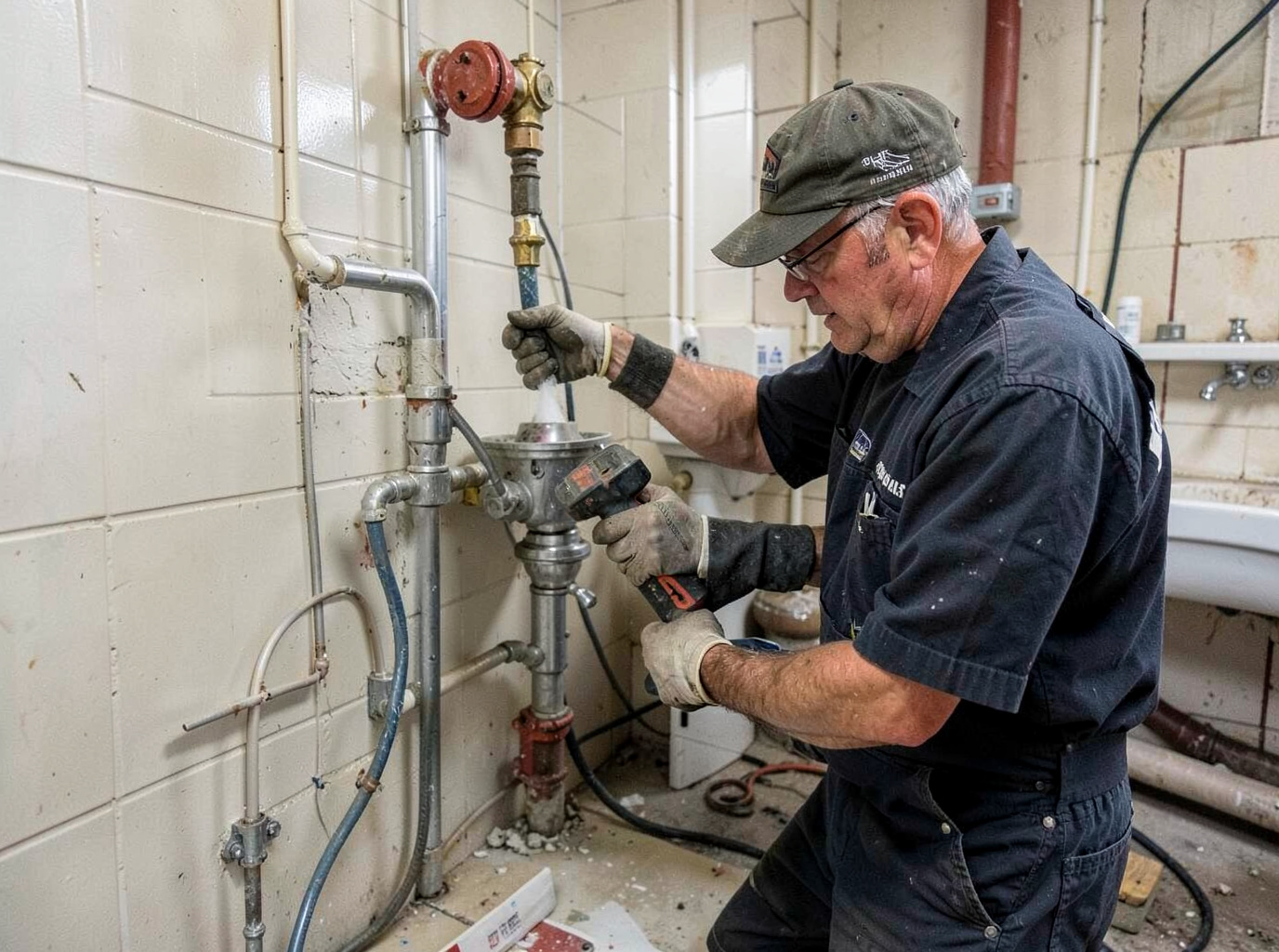
In Detroit neighborhoods like Midtown, Corktown and Indian Village we see a lot of bathroom piping that dates to early-to-mid 20th century builds. That means lead solder joints, cast-iron waste stacks, galvanized supply lines, and a mix of copper and polybutylene repairs. When I inspect a bathroom, I check visible trap arms, supply shutoffs, access to the wall cavity behind tubs and showers, and whether the home sits low in a street like parts of Mexicantown where seasonal groundwater and thawing frost can drive moisture into basements and lower bathrooms.
Materials matter for lasting repairs. For exposed supply lines I prefer modern copper or PEX for flexibility and fewer joints; for old cast-iron drain stacks I rarely recommend partial patching — a section replacement with hub-to-hub couplings or a full stack replacement often prevents repeat failures. Local Wayne County building inspectors expect proper venting and accessible cleanouts; if a job affects a soil stack or involves rerouting, we size vents and cleanout locations to match Detroit plumbing code practices and coordinate permitting if required.
Common edge cases: tub/shower walls with water damage hiding behind tile, layered floor finishes that hide a leaking trap, and mixed-material transitions where galvanized meets copper — those junctions corrode differently and frequently leak. In winter, freezing cycles in Detroit can split exposed supply lines in uninsulated exterior walls; in spring, sump-pump-driven groundwater can raise basement hydrostatic pressure and reveal slow drain leaks that were masked during drier months. I always look for secondary damage — rot on studs, mold staining behind vanities, or active seepage at floor-to-wall junctions.
Safety and customer care: I shut off only the minimum needed valves to diagnose flow and leaks, clearly label any shutoffs we operate, and explain whether a repair is a temporary patch or a permanent replacement. For bathrooms serving rental units near Wayne County transit hubs or student housing close to Campus Martius Park, quick temporary containment can keep a bathroom usable while we schedule a full repair. Our hours are Mon–Fri 8am–6pm and Sat 9am–2pm; we base operations in Detroit and can often plan work around building management or neighbor access constraints in tight rowhouse areas like Boston-Edison and Woodbridge.
Technician insight
In Detroit the thing that catches people out with bathroom pipe repair is the number of mixed-material transitions in older homes. A supply line that looks like copper can turn into a threaded galvanized stub in a crawlspace; those joints corrode and make a straightforward repair balloon into a section replacement, especially in houses near Belle Isle Park or low-lying blocks of Mexicantown where seasonal moisture accelerates corrosion.
Hidden Shower Wall Leak in Corktown Rowhouse
Problem → tenant reported staining on the ceiling below a second-floor shower. What we found → a failing shower waste joint inside a tiled wall with slow seepage and softened backerboard. What we did → carefully opened a small access panel, replaced the failed waste assembly, repaired and reinforced the backerboard, and resealed the tile junction. Outcome → no further leaks, ceiling stain isolated and we recommended monitoring for a full tile regrout at a later date.
Bathroom Pipe Repair Services We Offer
✓Leaky Supply Line Repair
Locate and stop leaks on copper, PEX, or older galvanized supply lines; replace shutoffs, fittings, and short runs under sinks or behind vanities with minimal cabinet removal.
✓Drain Trap and P-Trap Replacement
Replace corroded or cracked P-traps below sinks and wall-mounted lavatories, sealing odor issues and preventing slow leaks that damage vanity bases.
✓Cast-Iron Drain Stack Repair
Assess and repair vertical cast-iron stacks common in older Detroit rowhouses, using hub couplers or section replacements to stop seepage and root infiltration.
✓Shower and Tub Waste Repair
Fix leaking tub drains, replace worn tub waste assemblies, and re-seal drain-to-floor connections to prevent water intrusion behind tile surrounds.
✓Hidden Wall Pipe Access and Repair
Careful drywall access and repair for leaks inside wall cavities, including insulation replacement, stud drying recommendations, and cosmetic patching guidance.
✓Toilet Supply and Waste Repair
Repair or replace toilet fill valves, flapper-related leaks, flexible supply hoses, and closet flange issues that can allow water under floor finishes.
✓Sewer Line Camera Inspection
Use camera inspections on bathroom branch lines and house sewer to locate blockages, breaks or root intrusion before recommending targeted repairs or excavations.
How it works
- 1
Schedule Inspection
We book a time during business hours (Mon–Fri 8am–6pm, Sat 9am–2pm) and ask for pictures or a brief description of the leak location so the technician arrives prepared with common fittings for MSD and older installations.
- 2
On-site Diagnosis
Technician conducts a visual and pressure-assisted inspection, tests supply shutoffs, and runs a camera if the issue appears to be in the branch or main sewer to confirm the exact failure point.
- 3
Recommend Options
We outline repair options: temporary stop-gap, targeted part replacement, or full section replacement, and explain how Detroit weather or housing age affects the choice and longevity of each fix.
- 4
Perform Repair And Clean Up
Work is carried out with dust control and minimal demolition; we restore drywall patches for small access cuts and leave the bathroom usable. We document the repair location and any follow-up needed.
Pricing
Most bathroom pipe repairs begin with a diagnostic visit; simple trap or supply fixes are lower cost, while hidden wall repairs, cast-iron stack sections, or sewer-related work raise the price due to access and materials.